
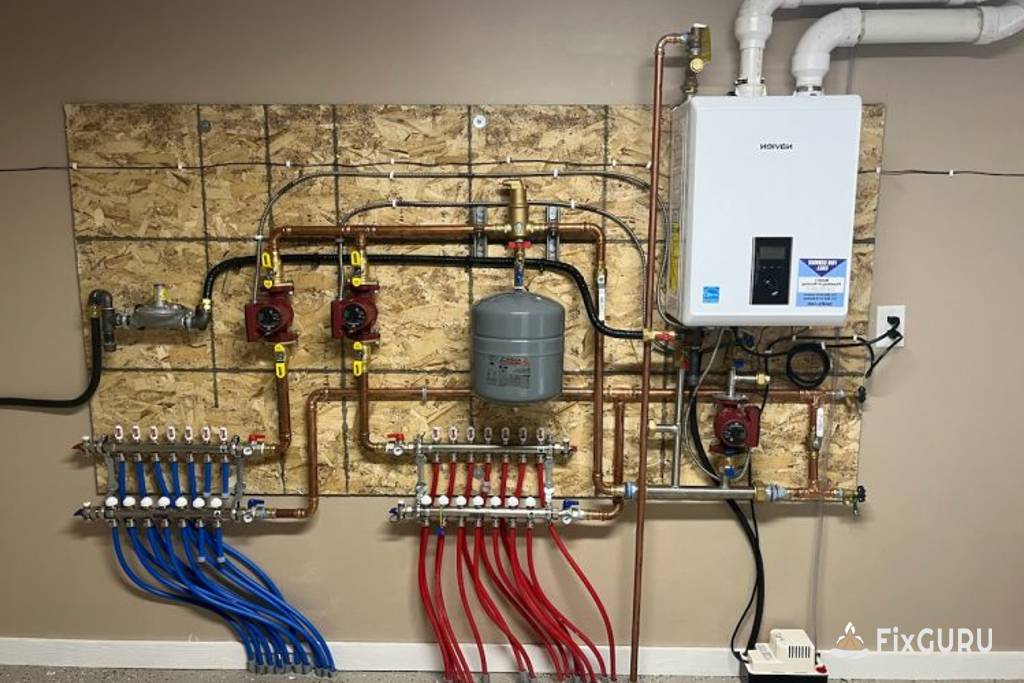

Tankless water heaters are a marvel of modern convenience, providing endless hot water while saving space. For many homes, the outdoor model is the perfect solution, mounting neatly on an exterior wall. However, being constantly exposed to the elements means it needs a little extra care to ensure a long and efficient life.
At FixGuru.hu, we want to help you get the most from your investment. Whether you’re a new owner or preparing for another season, this guide will show you how to shield your unit from nature’s worst.
The #1 Enemy: Freezing Temperatures
This is the most critical and often misunderstood risk. Despite what some may think, outdoor tankless water heaters are not inherently freeze-proof. While they have built-in freeze protection, this only works if the unit has power. A power outage during a deep freeze can be catastrophic.
The Danger: If the water inside the heat exchanger freezes, it will expand and crack the copper pipes. This is not a simple fix; it often requires replacing the entire core unit, which is the most expensive part.
How to Prevent Freeze Damage:
-
Understand Your Freeze Protection: Most outdoor units have two types:
-
Electric Freeze Protection: A built-in heater that activates when temperatures drop near freezing. This requires the unit to have power.
-
Recirculation Freeze Protection: The unit briefly turns on the pump and burner to circulate warm water. This also requires power.
The Bottom Line: If the power goes out, so does your freeze protection.
-
-
Install a Drip Leg (If Possible): For units in consistently cold climates, a professional can install a “drip leg” valve on the unit. This allows you to manually drain the unit completely, which is the only foolproof way to prevent freezing when a power outage is expected.
-
The Power Outage Protocol: If a winter power outage is imminent or happening, you must manually drain the unit.
-
Turn off the gas and water supply valves.
-
Disconnect the power.
-
Open the hot water taps inside your house to relieve pressure.
-
Use the unit’s manual drain valves (consult your owner’s manual for their location) to empty the heater completely.
-
Beyond the Cold: Other Environmental Threats
1. Rain, Snow, and Moisture
While built to be weather-resistant, direct, driving rain and snow can accelerate wear.
-
The Solution: Install a protective cover or hood specifically designed for your model. This simple accessory deflects rain and snow from directly hitting the top and sides of the unit, protecting electrical components and the vent. Important: Never cover the bottom air intake or the top exhaust vent, as this will prevent proper combustion.
2. Dust, Pollen, and Debris
The unit needs to draw in air for combustion. Over time, intake filters can get clogged with dust, leaves, and pollen, reducing efficiency and triggering error codes.
-
The Solution: Perform regular visual inspections. Check the air intake filter (usually behind a small cover) every few months and clean it with a soft brush or vacuum. Keep the area around the unit clear of leaves, spider webs, and other debris.
3. Direct Sunlight and Extreme Heat
In very hot climates, constant direct sunlight can cause the external casing to degrade over time and may cause the unit to work harder than necessary.
-
The Solution: If your unit is in a spot that gets intense, all-day sun, consider installing a simple, well-ventilated shade structure above it. Ensure this structure does not obstruct airflow or access for service.
4. Physical Damage and Pests
The unit’s pipes and wires can be tempting for rodents to chew on, and wayward lawn equipment can cause dents or cracks.
-
The Solution:
-
Pest Control: Use wire mesh to block large openings where rodents could enter, but never block the required ventilation gaps.
-
Physical Protection: Be mindful when mowing, trimming, or using a pressure washer near the unit. A simple metal or plastic guard post placed in the ground in front of the unit can prevent accidental impacts.
-
Your Seasonal Protection Checklist
-
Fall (Before Winter):
-
Test the unit’s built-in freeze protection (see manual).
-
Clean the air intake filter.
-
Locate the drain valves and ensure you have the correct tools to use them.
-
Consider installing a protective cover.
-
-
Spring:
-
Inspect for any physical damage from winter storms.
-
Clean the filter again after the pollen season.
-
Flush the unit to descale it (recommended annually).
-
-
Year-Round:
-
Keep the area around the unit clear (2 feet is a good rule).
-
Listen for unusual noises during operation.
-
An outdoor tankless water heater is a fantastic appliance, but its location demands a proactive approach to maintenance. By taking these simple protective steps, you can ensure it delivers reliable, endless hot water for years to come, no matter what the weather brings.
Stay prepared, stay warm.
The Team at FixGuru.hu