
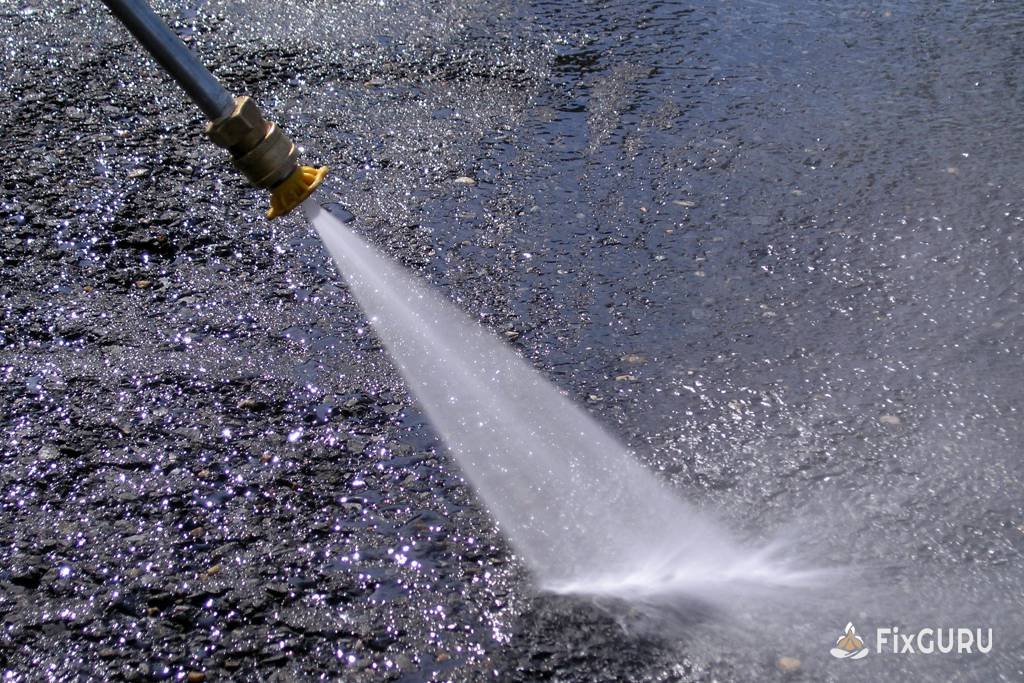

You know the feeling. You turn on the shower and it blasts you with a needle-sharp spray. The kitchen sink fills a pot in seconds, but water splashes all over the counter. It’s easy to think this is a sign of a great, strong plumbing system. In reality, it’s a red flag for a hidden and costly problem: excessively high water pressure.
While good water pressure is essential, when it crosses the line, it becomes a “silent destroyer,” slowly damaging your appliances, pipes, and wallet.
What is High Water Pressure, Anyway?
Water pressure is measured in pounds per square inch (PSI). Most modern residential plumbing systems are designed to handle pressures between 40 and 80 PSI.
-
Ideal Range: 50-60 PSI
-
Danger Zone: Anything consistently above 80 PSI
Many homes, especially those at the bottom of a hill or near a main water supply line, can have pressures well above 100 PSI without the homeowner even knowing it.
The 5 Major Dangers of High Water Pressure
The damage caused by high pressure is cumulative and relentless. Here’s what’s really at risk:
1. Premature Appliance Failure
Your water-using appliances are built to withstand standard pressure. Constant high PSI puts immense strain on their valves, seals, and internal components.
-
Water Heaters: The number one victim. The high pressure stresses the tank and the internal lining, leading to cracks, leaks, and a significantly shortened lifespan.
-
Washing Machines & Dishwashers: The inlet hoses and valves are under constant attack, making them prone to sudden, catastrophic failure.
2. Leaking and Burst Pipes
High pressure doesn’t just push water through your pipes; it hammers them. This “water hammer” effect causes pipes to vibrate and bang against their hangers, leading to:
-
Worn-out joints and connections, resulting in small, hidden leaks inside your walls.
-
Fatigue in copper and PEX pipes, making them more likely to burst, especially at weak points or existing pinhole leaks.
3. The Nightmare of Leaky Fixtures
That constant drip-drip-drip from your faucet? It might not be a worn-out washer, but a washer that has been destroyed by high pressure. The same goes for toilet fill valves and showerhead cartridges, leading to wasted water and higher utility bills.
4. Wasted Water & Money
It seems counterintuitive, but high pressure can waste a staggering amount of water. The EPA estimates that a home with high water pressure can waste over 30,000 gallons per year due to leaks and inefficient flow from fixtures. That’s money literally going down the drain.
5. Noisy Plumbing (“Water Hammer”)
That loud banging sound when you quickly shut off a faucet isn’t just annoying—it’s a sonic boom inside your pipes. This is the shockwave from the suddenly stopped high-pressure water, which can violently shake pipes loose from their brackets.
Real-World Consequences: It’s Not Just Theory
This isn’t just a hypothetical risk. The consequences of high water pressure make headlines, often with devastating results.
-
In Fort Worth, Texas, a 2022 investigation into a series of pipe bursts in newly built homes pointed to sustained high water pressure from the city main as a primary culprit. The constant pressure, often exceeding 100 PSI, was too much for the plumbing systems to handle, leading to ruptures that caused thousands of dollars in damage to multiple families.
-
A story from Australia detailed how an entire apartment block had to be evacuated after a washing machine hose, weakened by years of high water pressure, finally gave way. The resulting flood damaged multiple floors and rendered apartments uninhabitable.
These incidents highlight that the danger isn’t just about slow wear-and-tear; it’s about sudden, catastrophic failure.
How to Check Your Water Pressure & What to Do
Protecting your home is simple.
Step 1: Test It.
You can buy an inexpensive water pressure gauge from any hardware store. Simply screw it onto an outdoor spigot or a washing machine valve, ensure no other water is running in the house, and turn on the tap. The gauge will give you an accurate PSI reading.
Step 2: Regulate It.
If your pressure is consistently above 80 PSI, the solution is to install a Pressure Reducing Valve (PRV). A PRV is a device installed on your main water line that automatically reduces the incoming pressure to a safe, preset level (like 50-60 PSI).
Don’t let high water pressure be the silent destroyer in your home. What feels like a powerful shower today could be a flooded basement tomorrow. A quick pressure test is one of the easiest and most cost-effective diagnostics you can perform to protect your biggest investment.
Stay safe, stay dry.
The Team at FixGuru.hu