
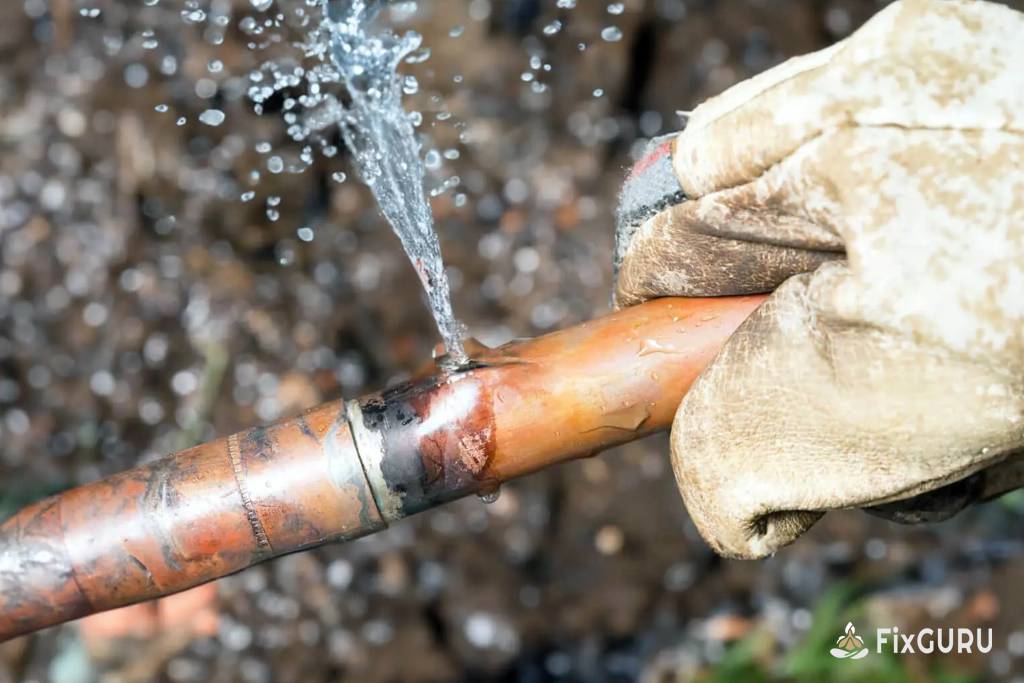

The sound of dripping water in a silent house is a homeowner’s dread. But what if the problem is hidden from view? A cracked pipe is more than a minor leak; it’s a threat that can cause structural damage, mold growth, and astronomical repair bills if not addressed quickly.
At FixGuru.hu, we’ve seen the aftermath of burst and cracked pipes. This guide will help you understand the causes, recognize the warning signs, and know exactly what to do when disaster strikes.
First Things First: Emergency Action Plan
If you discover a major leak or a burst pipe, your immediate actions are critical.
-
SHUT OFF THE WATER. Locate your main water shut-off valve and turn it clockwise until it stops. Every adult in the household should know where this valve is.
-
SHUT OFF THE POWER. If water is near any electrical outlets, appliances, or your electrical panel, turn off the power at the circuit breaker to prevent electrocution.
-
CALL A PROFESSIONAL PLUMBER. This is not a DIY fix. Call a licensed plumber immediately.
-
MITIGATE THE DAMAGE. Move valuables, start mopping up water, and contact your insurance company to report the damage.
The Silent Signs: How to Detect a Hidden Cracked Pipe
Not all pipe failures are dramatic geysers. Watch for these subtle red flags:
-
Unexplained Increase in Water Bills: A sudden, consistent spike in your bill is often the first sign of a hidden leak.
-
Sounds of Running Water: Hearing water flow when all taps and appliances are off points directly to a leak.
-
Discoloration or Damaged Walls/Ceilings: Bubbling paint, warped drywall, or mysterious brownish stains are classic indicators of moisture within.
-
Musty Odors or Mold Growth: A persistent damp, earthy smell or the appearance of mold in non-bathroom areas signals excess moisture, often from a leak.
-
Puddles or Dampness: Unexplained water under sinks, near appliances, or on the floor.
-
Low Water Pressure: A crack can divert water flow, reducing pressure throughout your home.
-
Foundation Cracks or Sinking Floors: In severe cases, a leak under the slab can wash away soil, causing settling and cracks.
Why Do Pipes Crack? The Usual Suspects
Understanding the cause can help you prevent the next one.
-
Freezing and Thawing (Winter’s Wrath): This is the #1 cause. When water freezes inside a pipe, it expands with tremendous force, enough to crack copper, PVC, or steel. The damage often reveals itself when the ice thaws and water flows freely from the crack.
-
Age and Corrosion: Old galvanized steel pipes are particularly susceptible to rusting from the inside out, weakening over decades until they fail.
-
Physical Damage: Accidentally driving a nail into a wall, ground settlement, or even construction vibrations can stress pipes to the breaking point.
-
Water Hammer: The shockwave from suddenly stopping high-velocity water (like when a washing machine valve shuts off) can, over time, cause joints to fail and pipes to crack.
-
Shifting Soil (For Underground Pipes): Soil erosion, drought, or heavy construction equipment can move the ground around buried pipes, putting them under stress.
A Real-World Wake-Up Call: The Atlanta Freeze Event
This isn’t just theoretical. The real-world consequences can be catastrophic on a city-wide scale.
During the historic winter storm in Atlanta, Georgia, in 2022, a deep freeze was followed by a rapid thaw. The result? A city-wide plumbing crisis. Thousands of homeowners experienced burst pipes simultaneously. Plumbers were overwhelmed with calls, and the damage was immense. One report from a local news station highlighted a family who returned from a short trip to find their home flooded, with water pouring from ceilings and walls, causing over $100,000 in damage.
This event is a stark reminder that a single cracked pipe is not just an inconvenience; it’s an emergency that can destroy a home.
Prevention is Cheaper Than Repair
You can’t stop time, but you can protect your pipes.
-
Insulate, Insulate, Insulate: Protect pipes in unheated areas like attics, basements, and garages with foam pipe insulation.
-
Drip Your Faucets: On bitterly cold nights, let a slight drip of both hot and cold water run from faucets. Moving water is much harder to freeze.
-
Disconnect Garden Hoses: Before winter, disconnect and drain outdoor hoses. Shut off the indoor valve to outdoor spigots if possible.
-
Know Your Main Shut-Off Valve: Practice finding and turning it off so you’re ready in a crisis.
-
Consider a Pressure Reducing Valve: If your home’s water pressure is consistently high (above 80 PSI), installing a PRV can reduce stress on your entire plumbing system.
A cracked pipe is a stressful event, but knowing how to respond can save you from a total disaster. By staying vigilant for the warning signs and acting swiftly, you can protect your home from one of its most vulnerable failures.
Don’t wait for the drip. Stay proactive.
The Team at FixGuru.hu