
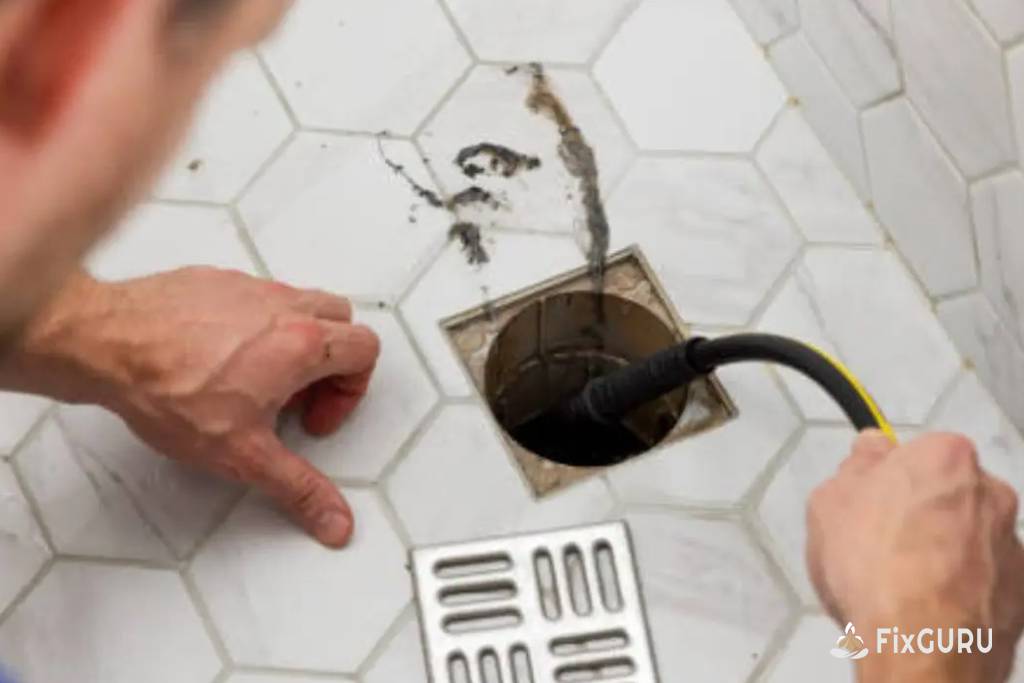

There are few things more frustrating than stepping into the shower and finding yourself standing in an ever-rising pool of water. A clogged shower drain is one of the most common household nuisances, but it doesn’t have to be a permanent one.
Before you call a plumber, there are several effective methods you can try yourself. At FixGuru.hu, we’ve created this step-by-step guide to help you diagnose and defeat the clog, from the simplest solutions to the more advanced.
Step 1: The Simple Stuff – Prevention and First Aid
The Boiling Water Method:
Sometimes, the simplest solution is the best. Pouring a generous amount of boiling water down the drain can melt and dissolve soap scum, which is a primary component of many clogs.
Caution: Do not use boiling water if you have PVC pipes, as it can soften or damage them over time. Very hot tap water is a safer alternative for all pipe types.
The Plunger Method:
Yes, a plunger works on showers too! You just need to create a good seal.
-
Ensure there’s enough water in the shower base to cover the rubber cup of the plunger.
-
If your shower has an overflow drain (a small vent near the top of the tub), cover it tightly with a wet rag. This ensures the pressure goes down into the clog, not out the vent.
-
Place the plunger firmly over the drain and push down and pull up vigorously about 10-15 times. The sudden pressure changes can dislodge the blockage.
Step 2: Going Deeper – Mechanical Removal
If the simple methods don’t work, it’s time to get hands-on.
The Coat Hanger Hook:
Straighten a wire coat hanger, but leave a small hook at one end. Carefully feed it down the drain. You’ll likely pull up a messy wad of hair and soap gunk. It’s not glamorous, but it’s highly effective.
The Drain Snake (or Auger):
For tougher clogs further down the pipe, a drain snake is your best friend. This is a long, flexible metal cable that you feed into the drain until it hits the obstruction. By cranking the handle, you can either hook the clog or break it apart.
Pro Tip: You can purchase an inexpensive handheld drain snake that is perfect for shower drains.
Step 3: The Chemical Question – To Use or Not to Use?
Chemical drain cleaners (like Drano) are a popular choice, but we at FixGuru.hu advise caution.
-
The Pros: They can be effective at dissolving organic matter like hair and soap.
-
The Cons:
-
They are highly toxic and can cause severe burns.
-
They can damage older metal pipes and are harsh on PVC pipes with repeated use.
-
If they don’t work, you now have a pipe full of toxic, caustic liquid that a plumber will have to handle.
-
Our verdict: Try mechanical methods first. If you must use a chemical cleaner, opt for a enzymatic or bio-based drain cleaner. They are slower but much safer for your pipes and your family.
Step 4: When to Call a Professional
Sometimes, the clog is too deep or too stubborn for DIY methods. Call a professional plumber if:
-
None of the above methods work.
-
You have multiple slow drains in your house, which could indicate a blockage in your main sewer line.
-
You notice water backing up in other fixtures when you run water.
-
There is a foul sewage smell coming from the drain.
Prevention: The Best Cure of All
Stop clogs before they start with these easy habits:
-
Use a Drain Guard: This is the single most effective thing you can do. A simple mesh or plastic screen catches hair before it goes down the drain.
-
Weekly Maintenance: Once a week, pour a pot of boiling water (if your pipes allow) or a mixture of 1/2 cup baking soda followed by 1/2 cup vinegar down the drain. Let it fizz for 10-15 minutes, then flush with hot water. This helps break down buildup.
-
Rinse Thoroughly: After using soaps, shampoos, or conditioners, let the hot water run for an extra minute to rinse all residues down the drain.
A clogged shower drain can put a damper on your day, but it doesn’t have to be a major crisis. By starting with the gentlest methods and working your way up, you can usually solve the problem yourself and save money in the process.
Stay unclogged!
The Team at FixGuru.hu